The variety of weapons throughout time and history are expansive. They have evolved over the centuries for a multitude of reasons including tools used by farmers, that were re-purposed when the need for defending ones homeland was upon them. Another reason was the evolution of metals and black-smithing techniques. This brought about the ability to produce swords, metal heads for pole-arms and even arrow heads at a greater production rate. One of the most important factors in weapon expansion was the invention of new armors. Armor was constantly changing to protect the wearer from different weapon damages. New weapons were made to counter the newer armors and thus the cycle continued, and continues today.
Below are descriptions of each weapon group. If you wish to add a weapon we have not, either by a historical weapon or one you have created, you should be able to find the perfect place based upon the information below. We encourage this list, all weapon lists, to expand with new weapons types and their abilities.
¶ Fist and Daggers
¶ Fist
¶ Stilettos
¶ Kukri
¶ Blades
The most common of all weapon types for centuries, was the Blades category. Bladed weapons have changed dramatically throughout the millennia. From the Roman gladius, the Viking broadsword to the English arming sword and longsword. They have been praised as the most versatile of weapons from attacking and defending perspectives. While their damage is great, there are other weapon groups that vastly out damage them in terms of potential and consistently.
¶ Dagger
¶ Arming sword
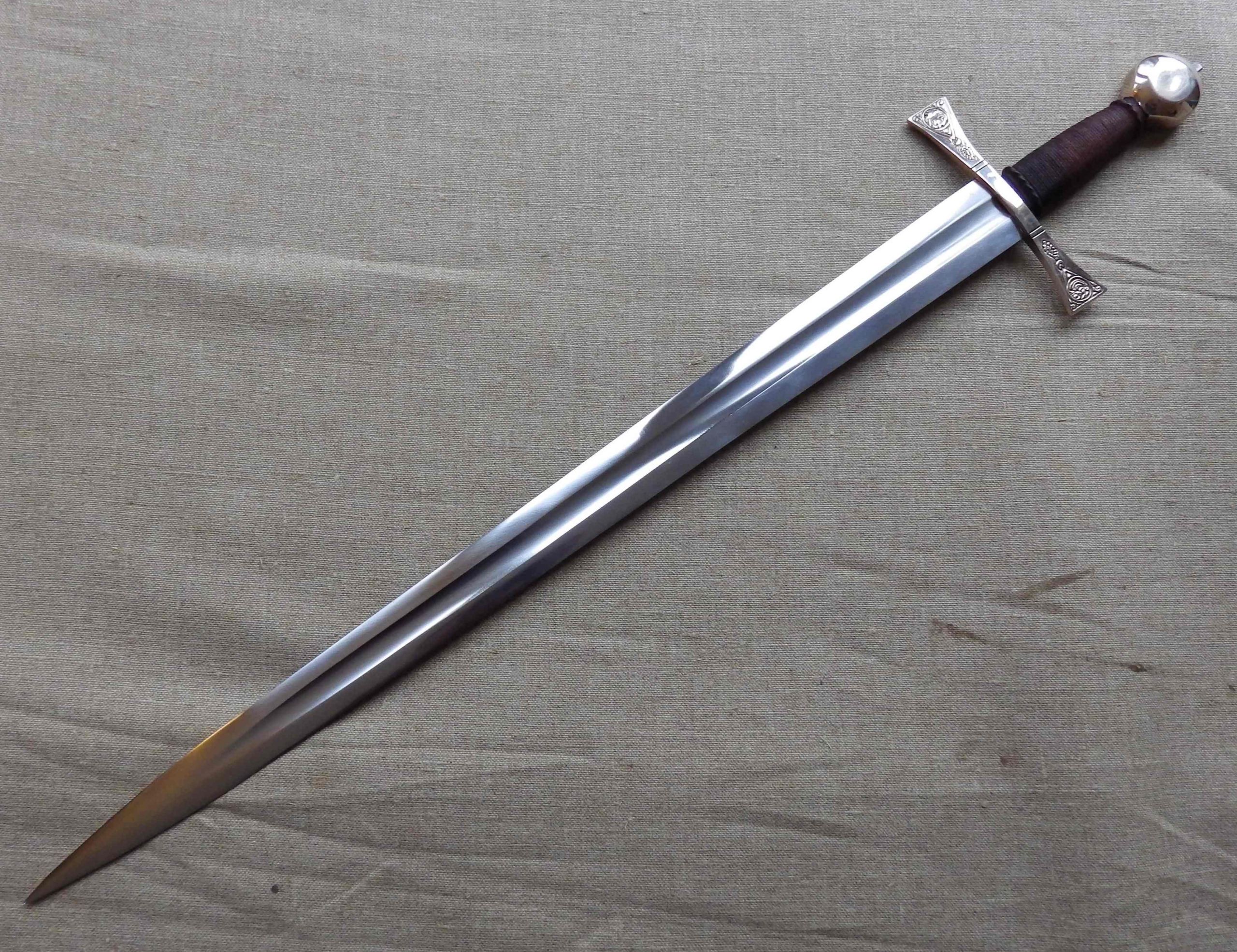
¶ Broad sword
¶ Longsword
¶ Scimitar
¶ Hafted
¶ Hand axe
¶ Bearded axe
¶ Battle axe
¶ Flanged Mace
¶ Spiked Mace
¶ Warhammer
¶ Flail
¶ War Pick
¶ Polearms
¶ Spear
¶ Glaive
¶ Halberd
¶ Crafting Roll and Damage Increment
Two-Handed: +1 Attack Die, +1 Base Damage Die, reduce Damage Increment by Strength value, increase Recovery by 1 second
¶ Weapon Enhancements
Iron: As stated in the charts below.
Steel: Base Stats
Imeirian Steel: Add +1 Damage Die per Damage Increment. +1 Second to Recovery
Fuller: -10% Attack AP, -1 Damage Dice, +10% to the Weapon Damage Increment
Corded Haft: